Things to Know About the The Constitution
📅 2026 Update: Current State of the U.S. Constitution
Since the original article was published, there have been no significant amendments to the U.S. Constitution from 2024 to 2026. This means the foundational legal framework remains unchanged during this period.
The earlier article continues below, providing detailed information about the Constitution's articles, amendments, and more.
📜 No New Amendments
There have been no significant amendments ratified between 2024 and 2026. This stability in constitutional law means that the principles guiding the U.S. government and its citizens have not shifted recently. Therefore, people can still rely on the established rights and regulations outlined in the Constitution.
📚 Accessing Information
Accessing articles on constitution.laws.com remains free and open to the public. Readers have the opportunity to learn about the Constitution without any associated fees. This resource is designed to support understanding of constitutional rights and principles for all citizens.
🔄 Regular Updates
The articles on constitution.laws.com are regularly updated to reflect the most current information available. The last update occurred on August 15, 2024. This ensures that readers have access to accurate and relevant content regarding the U.S.
Constitution and its applications.
🏛️ Educational Purpose
The articles are intended for educational use, making them accessible to everyone. They cover various aspects of the Constitution, including its history, articles, amendments, Bill of Rights, and landmark Supreme Court cases. This aim supports civic education and informed citizenship.
📌 Key Points Summary
- 📅 No significant amendments from 2024 to 2026.
- 💡 Access to articles is free and open to all.
- 🔄 Content is regularly updated for accuracy.
- 📚 Articles serve an educational purpose.
- 🏛️ Resources cover the Constitution's key aspects.
💡 Tips for Understanding the Constitution
Review your specific situation with your attorney to ensure a clear understanding of constitutional matters.
🏛️ Learn About the Bill of Rights
Familiarize yourself with the Bill of Rights. These first ten amendments to the Constitution guarantee fundamental rights such as freedom of speech and religion. Understanding these rights is essential for recognizing your protections under U.S. law.
📖 Explore Landmark Cases
Study landmark Supreme Court cases. Cases like Brown v. Board of Education and Roe v.
Wade have shaped constitutional interpretation over time. Knowing these decisions helps clarify how constitutional rights are applied in real-life scenarios.
🔍 Verify Information
Always verify information from multiple reputable sources. While the articles on constitution.laws.com provide valuable insights, consulting official government resources can enhance your understanding of constitutional matters.
🏛️ Engage in Civic Education
Participate in civic education programs. Engaging with local organizations or community workshops can deepen your knowledge of the Constitution and its significance in contemporary society.
📚 Use Available Resources
Utilize educational resources provided by institutions like the National Archives and the Library of Congress. These platforms offer extensive information about the Constitution, including historical documents and scholarly articles.
🏆 Top Services for Legal Help Ranked by User Reviews (2026)
This section covers services that help with legal matters related to constitutional issues. The following companies have been evaluated based on Trustpilot data as of October 2026. Scores can change, and while they provide insights, individual experiences may differ.
🥇 1. LegalZoom
LegalZoom holds a Trustpilot score of 4.6. It is known for its business formation services and estate planning solutions. Reviewers appreciate its legal document preparation, but some users report delays in customer support response times.
🥈 2. TotalLegal
TotalLegal has a Trustpilot score of 4.7. This service is recognized for its user-friendly platform that offers affordable legal document preparation. However, it has limited customer support options, which may be a concern for some users looking for assistance.
🥉 3. Rocket Lawyer
Rocket Lawyer averages 4.5 on Trustpilot. Known for its legal document creation and business incorporation services, it also offers access to on-call attorneys. Some users find that its subscription model may not suit everyone’s needs.
4️⃣ LegalNature
LegalNature has a Trustpilot score of 4.3. This service is known for online legal document services and compliance solutions. However, some users have reported unexpected costs, which can be a downside for those on a budget.
🆓 Free Government Resources
While there are no free government or nonprofit assistance options specifically for accessing articles on the Constitution, resources like the National Archives and the Library of Congress provide valuable information at no cost. These institutions are rich in educational materials that can enhance your understanding of the Constitution.
🔎 Factors to Compare When Choosing a Service
- 📝 Understand the specific legal services offered.
- 💰 Compare costs and potential hidden fees.
- 📞 Evaluate customer support options.
- ⭐ Check user reviews for satisfaction levels.
- 📚 Look for educational resources provided.
❓ Frequently Asked Questions
📜 What are the key features of the Bill of Rights?
The Bill of Rights consists of the first ten amendments to the Constitution. It guarantees essential rights such as freedom of speech, the right to bear arms, and protection against unreasonable searches.
🏛️ How can I access more information about landmark Supreme Court cases?
You can find detailed information about landmark Supreme Court cases on resources such as the National Archives and the Library of Congress. These sites provide historical context and analysis of significant rulings.
🔍 Are there any eligibility requirements to access articles on constitution.laws.com?
No eligibility criteria are required to access or read the articles on constitution.laws.com. Anyone can freely explore the content provided.
📅 When was the last update made to the articles on constitution.laws.com?
The articles were last updated on August 15, 2024. This ensures that the information remains relevant and accurate for readers.
📚 Why is it important to consult multiple sources when studying the Constitution?
Consulting multiple sources helps to provide a comprehensive understanding of constitutional issues. Different perspectives can enhance critical thinking and deepen knowledge.
🏛️ What role does the Laws Network play in constitutional education?
The Laws Network publishes articles on constitution.laws.com to educate the public about the U.S. Constitution. Their aim is to promote civic literacy and understanding of foundational legal principles.
⚖️ Recent Landmark Cases
Recent Supreme Court rulings continue to shape the interpretation of constitutional rights and principles. These cases highlight significant aspects of the U.S. Constitution relevant to the discussions in this article.
- Supreme Court rules on absentee ballot counting in MississippiSupreme Court of the United States · June 29, 2026
- Mississippi Supreme Court affirms termination of parental rightsMississippi Supreme Court · October 15, 2026
- Hawaii Supreme Court Rules on Parental Rights and TherapyHawaii Supreme Court · October 13, 2026
- Ohio Supreme Court rules on child custody rights in A.S. caseOhio Supreme Court · October 7, 2026
Readers can explore additional recent rulings and their impacts by visiting the more rulings on the news page.
End of October 2026 Update
The United States Constitution is the supreme law of the land and one of the most important documents in American history. Here are some things to know about the Constitution:
It was written in 1787
The Constitution was written in 1787 by a group of delegates representing the 13 original states. The document was created to replace the Articles of Confederation, which had proven to be too weak to govern the new nation.
It outlines the structure of the federal government
The Constitution outlines the structure of the federal government, including the three branches of government: the legislative, the executive, and the judicial. The legislative branch is responsible for making laws, the executive branch is responsible for enforcing laws, and the judicial branch is responsible for interpreting laws.
It includes the Bill of Rights
The Bill of Rights is the first ten amendments to the Constitution, which were added in 1791. The Bill of Rights outlines the fundamental rights and freedoms of American citizens, including the freedom of speech, religion, and the press, and the right to bear arms.
It can be amended
The Constitution can be amended, or changed, through a process outlined in Article V of the document. This has allowed the Constitution to remain relevant and adaptable to changing times.
It is the oldest written constitution still in use
The United States Constitution is the oldest written constitution still in use today. Its endurance is a testament to the foresight and wisdom of its writers.
In conclusion, the Constitution is an essential document that outlines the structure of the federal government and the fundamental rights of American citizens. Understanding its history and significance is crucial for any citizen who wishes to be informed about the workings of the American political system.
The United States Constitution is the fundamental framework for
the United States of America. The United States Constitution plays a crucial role in ensuring the security and integrity of the United States, and more specifically, the citizens of the country.
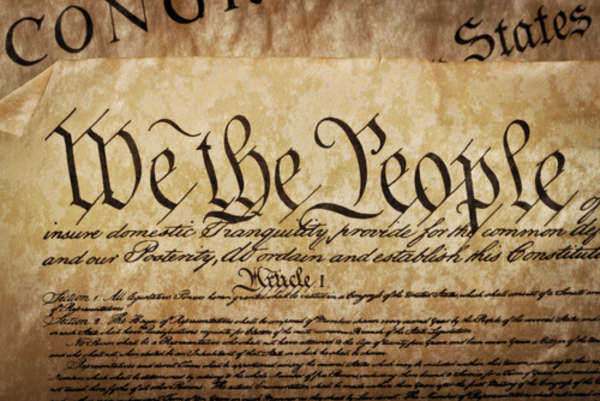
The Constitution acts as the highest law of the land and documents the individual rights which distinguish American society from other countries. Every law in the United States, in some way, was developed in accordance with the Constitution.
● The United States Constitution provides a single legal basis for the fundamental rights of American citizens through the documentation known as the Bill of Rights.
● The Constitution defines the basic civil liberties, the fundamental rights of American citizens, and the responsibilities of the Federal and state governments.
● The Constitution acts as a framework to ensure peace and order in the United States.
● The Constitution organized the balance of powers between individual citizens, state governments, and the broader Federal Government of the United States.
● The document serves as a foundation for any legal entity formed in the country and offers the Government a sense of the direction in regards to organization and function--the Constitution defines the responsibilities of the executive, legislative, and judicial branches of government.
Constitution has more information regarding the United States Constitution's importance.